
Happy Whale Humpback Happenings
June 22, 2026
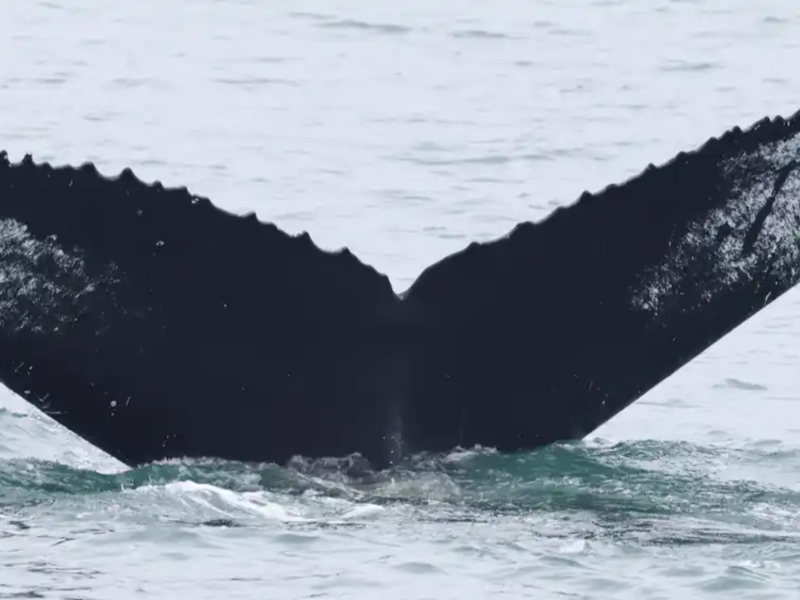
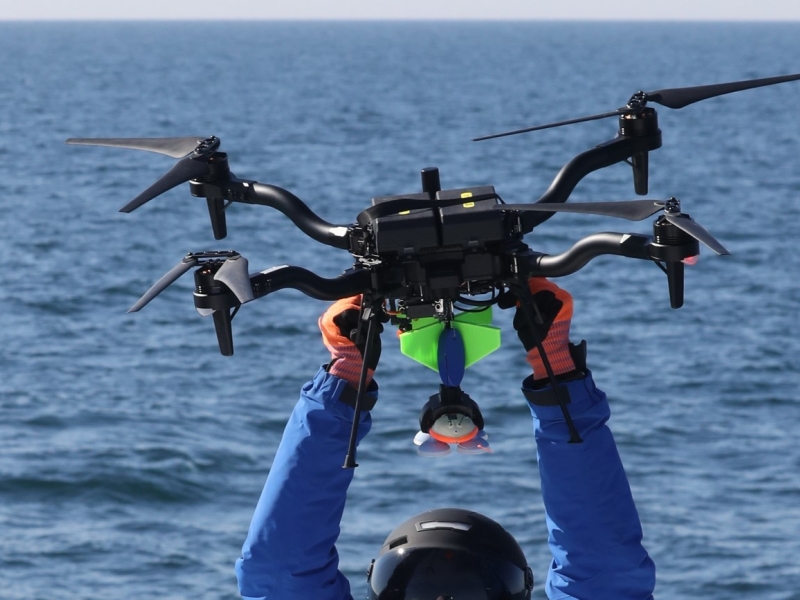
A few interesting matches have come out of our Mid-Atlantic Humpback Whale Catalog efforts and partnership with Happy Whale!
2024-2025 Large Whale Season Summary
March 24, 2025
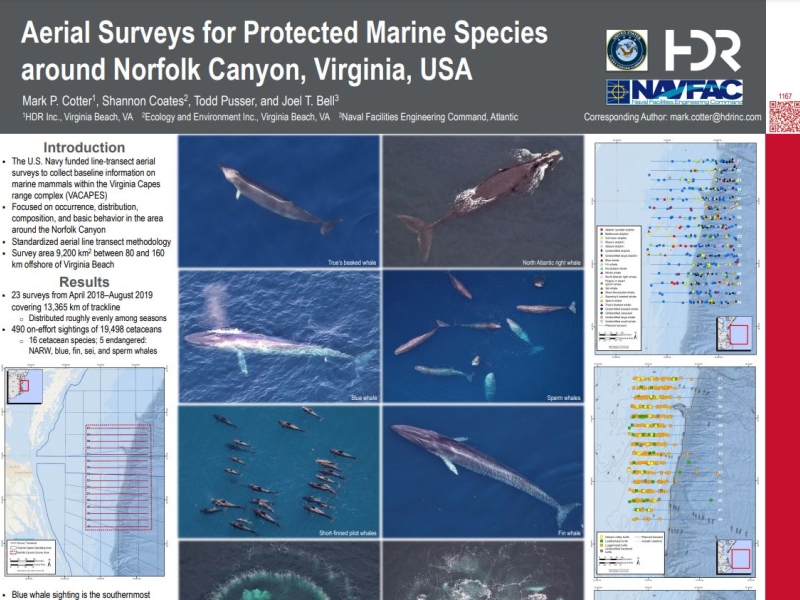
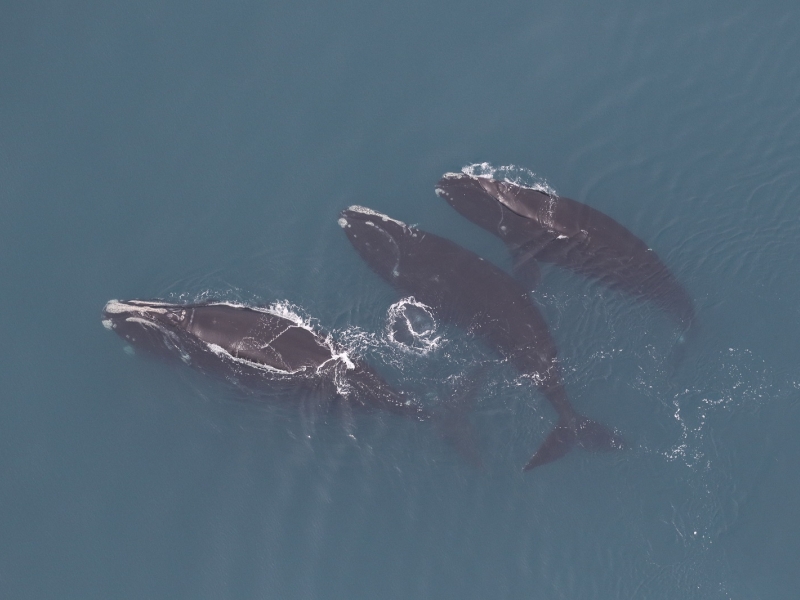
We have two separate efforts focusing on cetaceans off the coast of Virginia. The first is our Offshore (Outer Continental Shelf) Cetacean Study, which focuses primarily on deep diving odontocetes like sperm whales. The second effort is our Nearshore and Mid-Shelf Baleen Whale Monitoring Project.
Aerial Surveys to Confirm Seal Haul-out Sites in Virginia
January 14, 2025
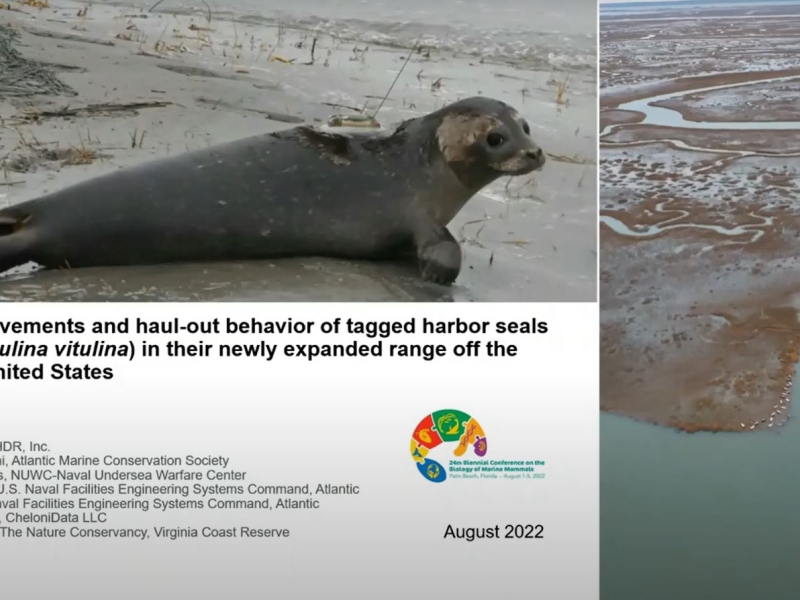
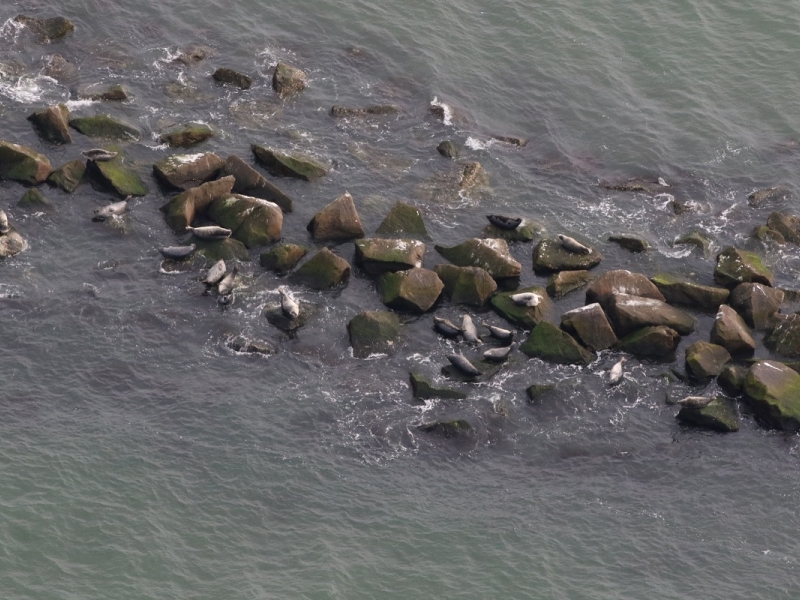
Each fall/winter, some portion of the Northwest Atlantic harbor seal population that summers in New England make their way south to Virginia.
Right whale calf sighted off Virginia!
December 20, 2024
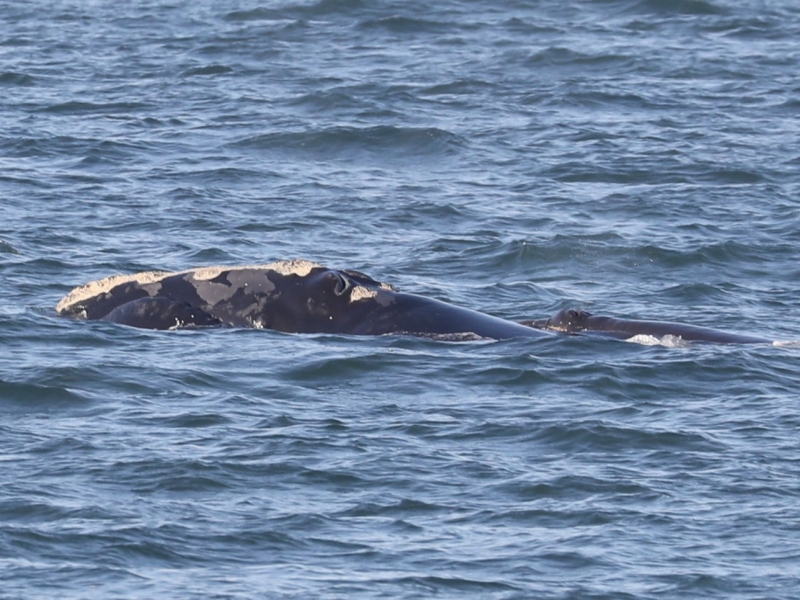
On December 18, 2024, during a survey off Virginia Beach, researchers from HDR Inc. and NAVFAC LANT observed North Atlantic right whale #4540 with her first known calf. This sighting is notable as it's the earliest recorded instance of a newborn right whale calf in Virginia waters, suggesting a possible shift in calving locations northward from the typical areas off Florida and Georgia.
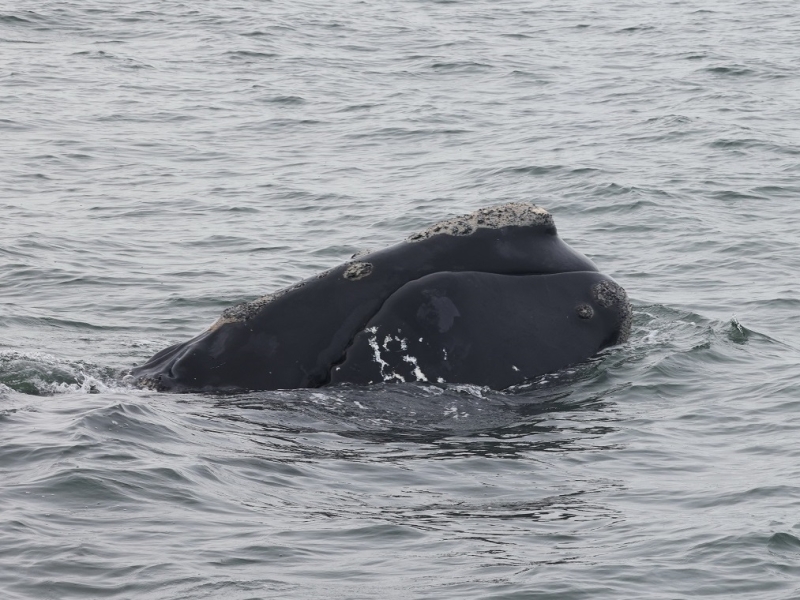
It’s Whale Season in the Mid-Atlantic!
November 20, 2023
Baleen whale season has started in the mid-Atlantic and we have several projects in the region studying their occurrence and behavior.
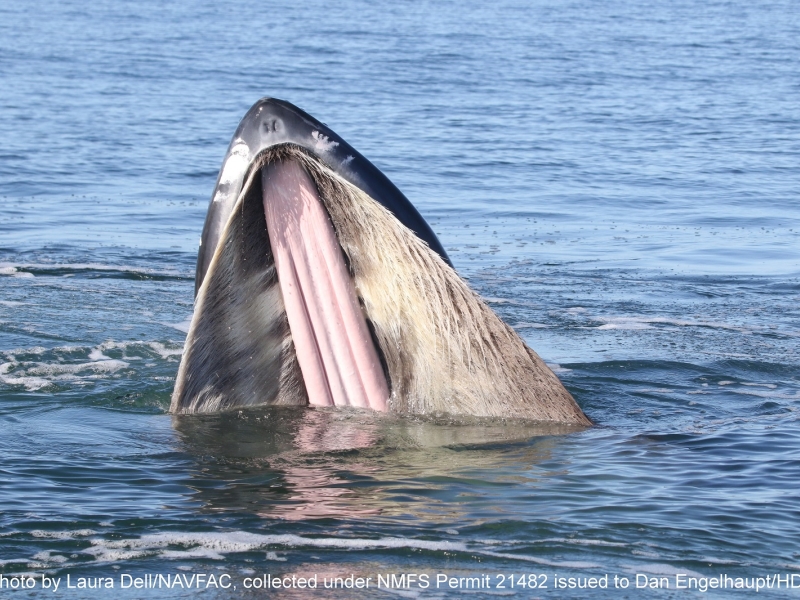
Humpbacks - New visitors and familiar friends in the Mid-Atlantic
November 20, 2023
On 16 November 2023, the weather lined up perfectly for HDR Inc. to go out in their small boat for some large whale survey work under the Mid-Atlantic Nearshore and Mid-shelf Baleen Whale Monitoring Project.
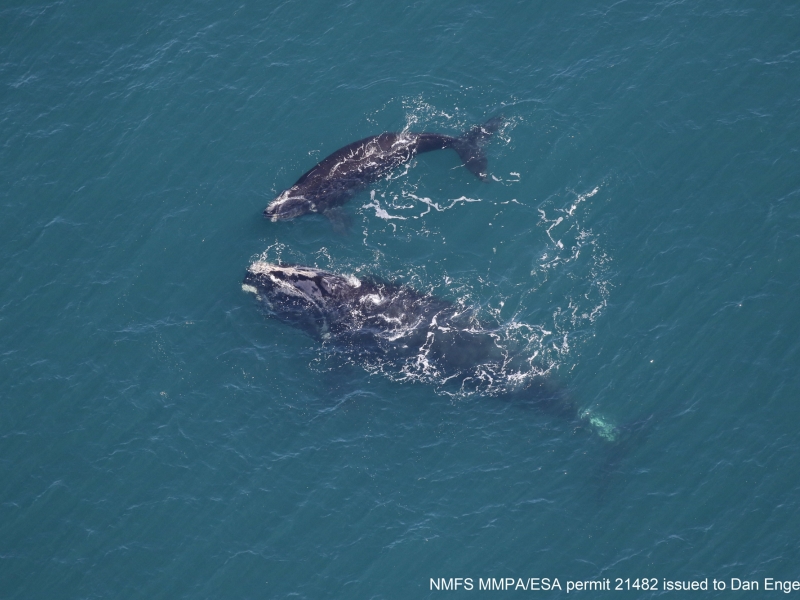
Coming full circle – right whale mom returns with calf
March 15, 2023
Previously CATS tagged Right whale "Smoke" is sighted again in VA with a calf.
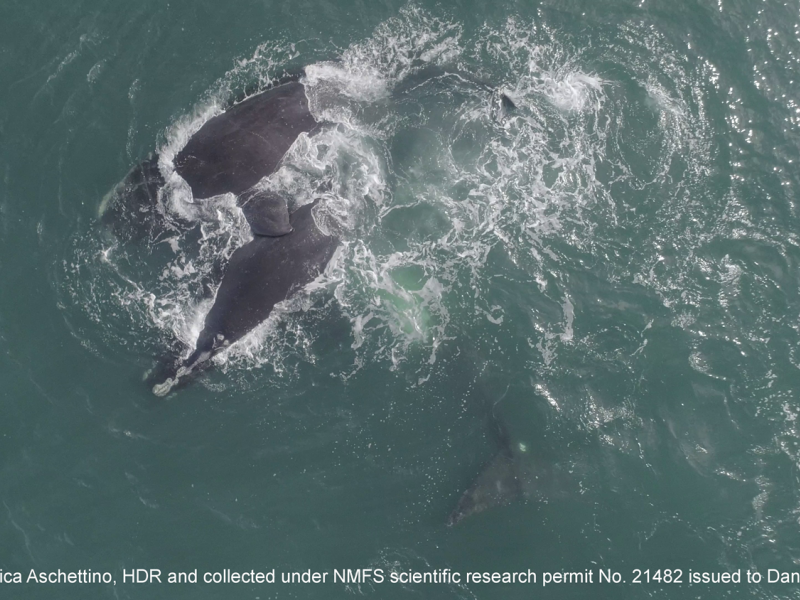
Right Whale Party in the Mid-Atlantic
February 4, 2023
A Surface Active Group of North Atlantic right whales off the coast of Virginia.
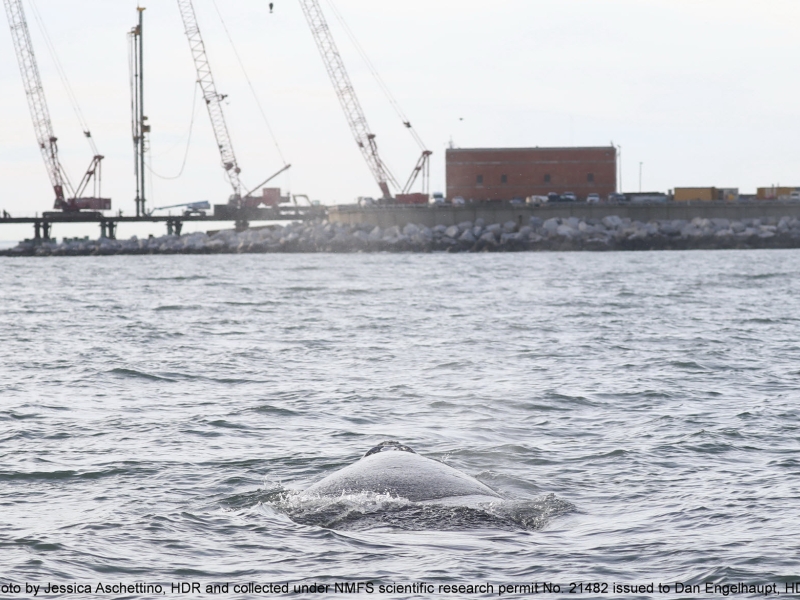
An Urban Whale
February 3, 2023
A juvenile North Atlantic right whale finds itself in a busy area.
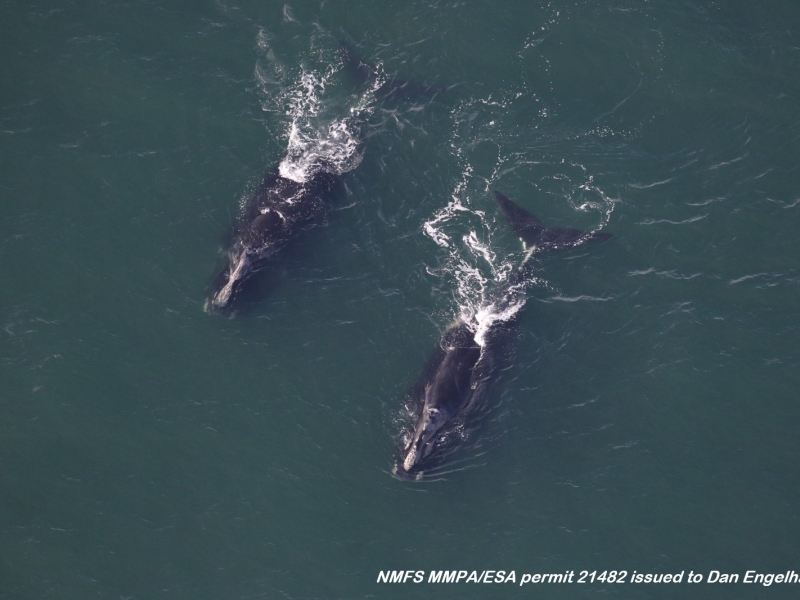
Right whales are on the move!
November 23, 2022
Two female right whales were sighted off Virginia during their southbound migration.
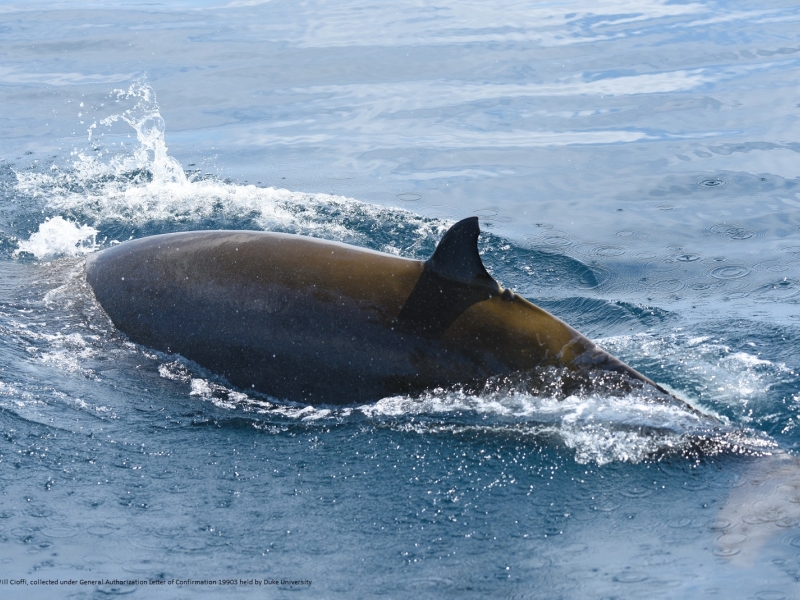
Cuvier's from Cape to Canyon
September 16, 2022
Photo ID match of a Goose-beaked whale between Cape Hatteras and Virginia Beach after two years.
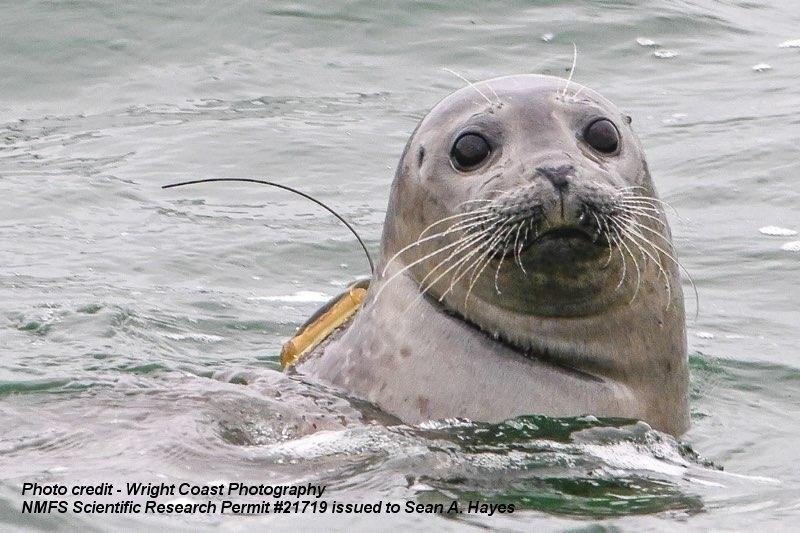
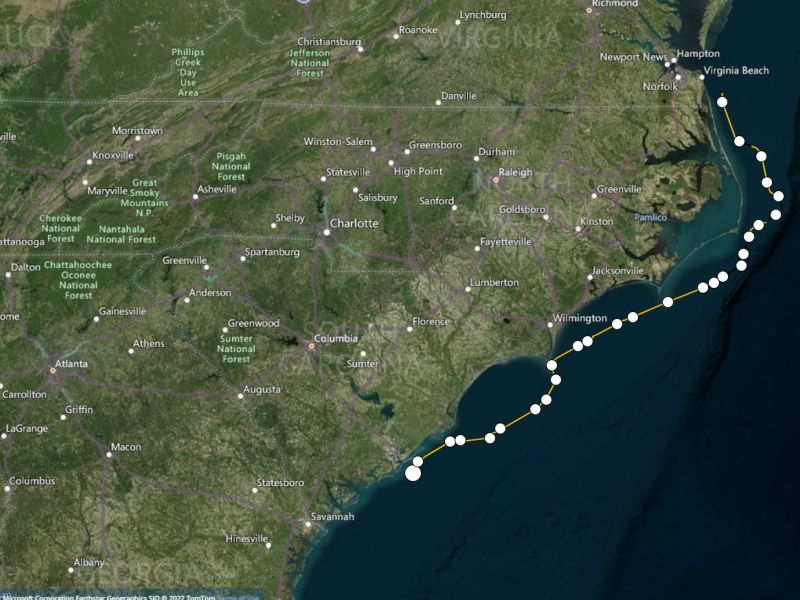
NARW tagged off VA Beach!
March 2, 2022
A yearling right whale was tagged off Virginia.
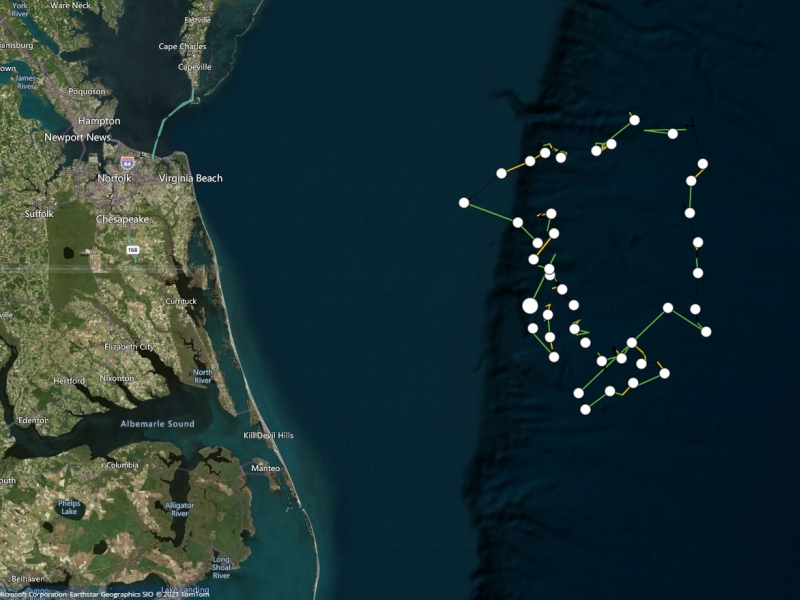
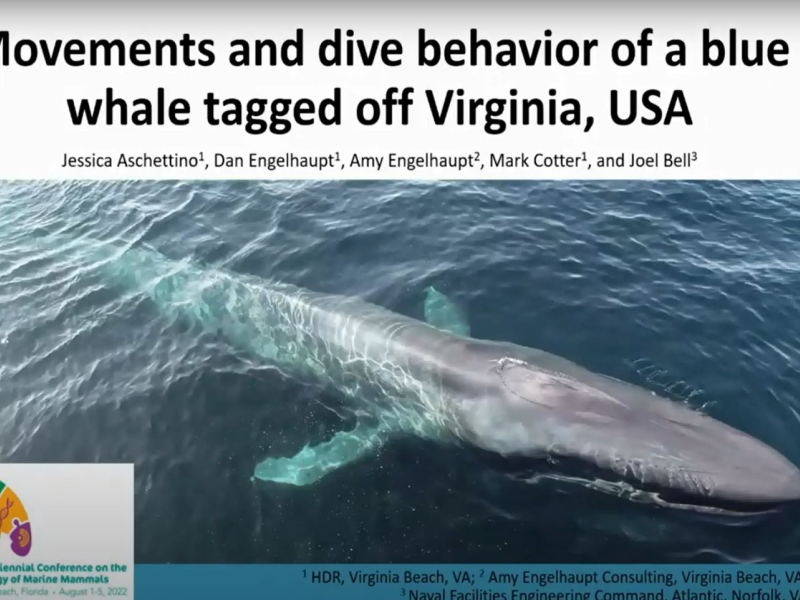
Blue whale tagged off the coast of Virginia
April 26, 2021
Details on the first blue whale tagged in the region.
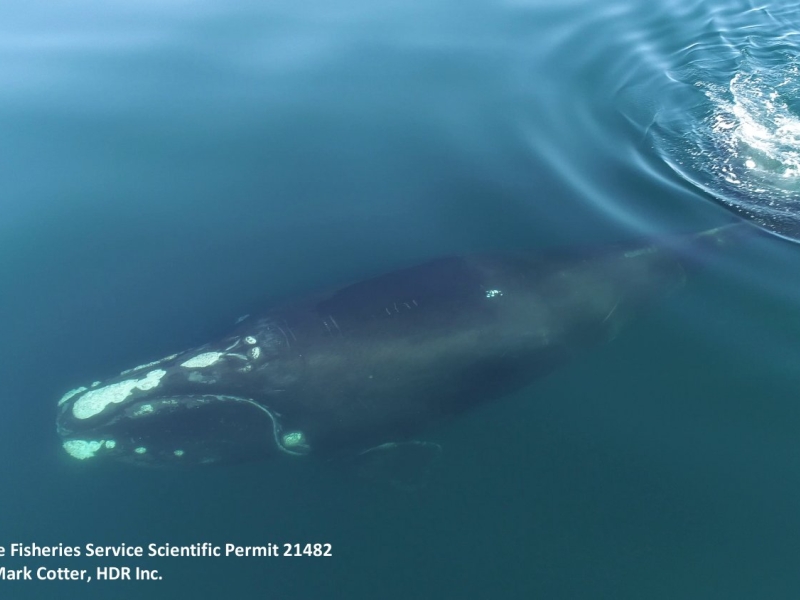
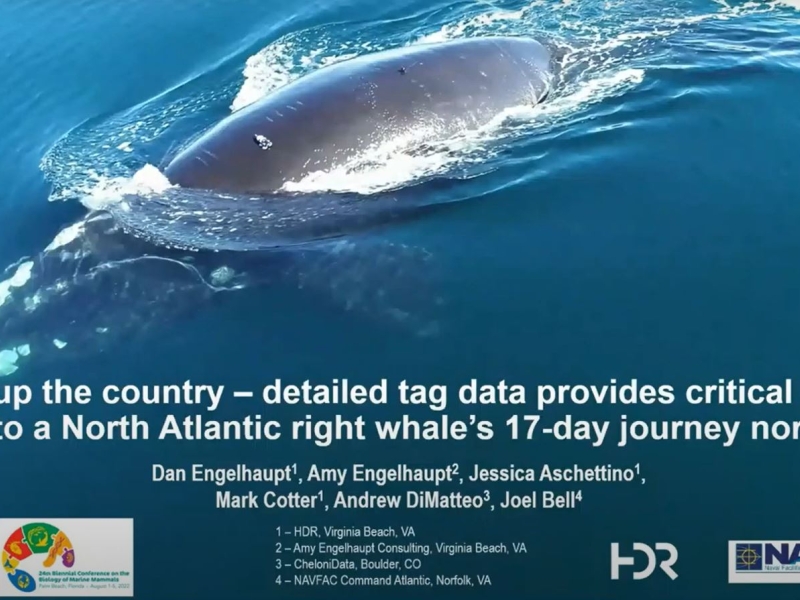
Tracking an endangered North Atlantic right whale
March 15, 2021
A yearling right whale was tagged off the coast of VA and tracked for 12 days.
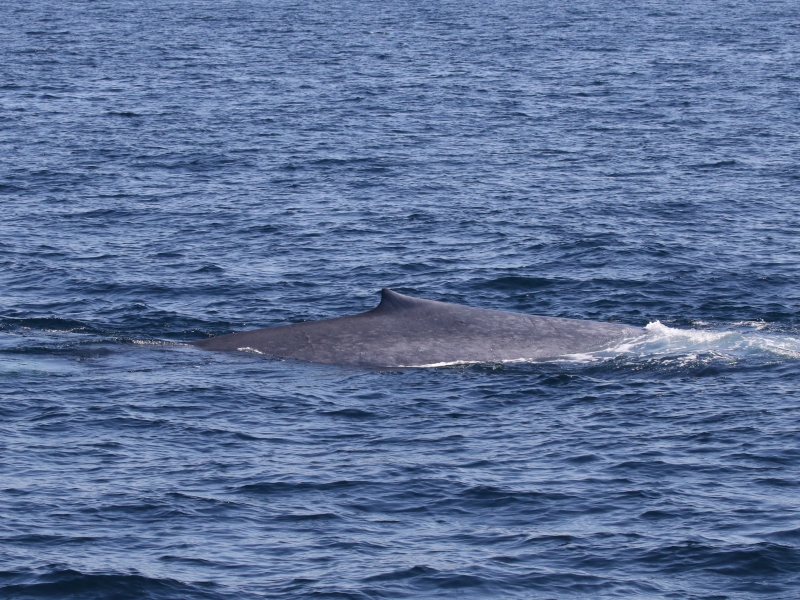
Drone footage of a blue whale off the coast of Virginia!
March 14, 2021
Blue whale footage from Virginia
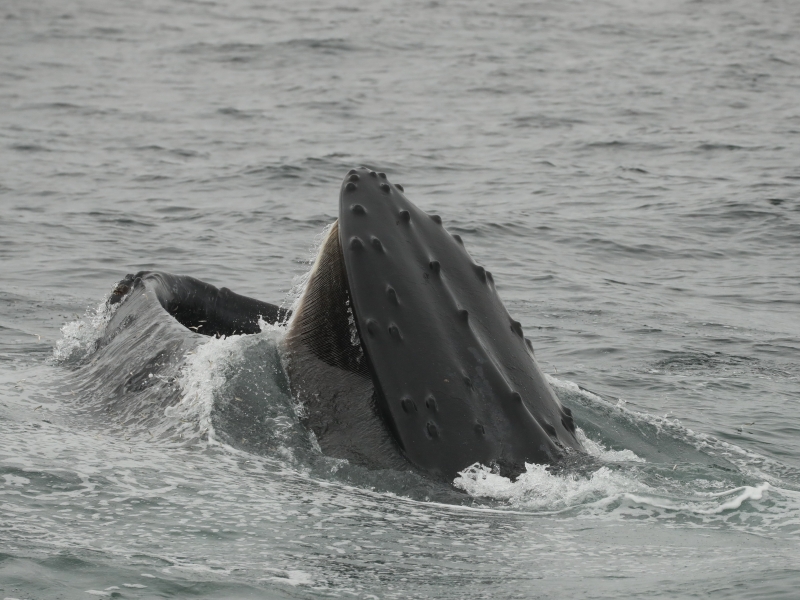
Drone footage of humpback whale bubble-net feeding off the coast of Virginia
February 18, 2021
Humpback whale "Tobin" bubblenet feeding off VA.
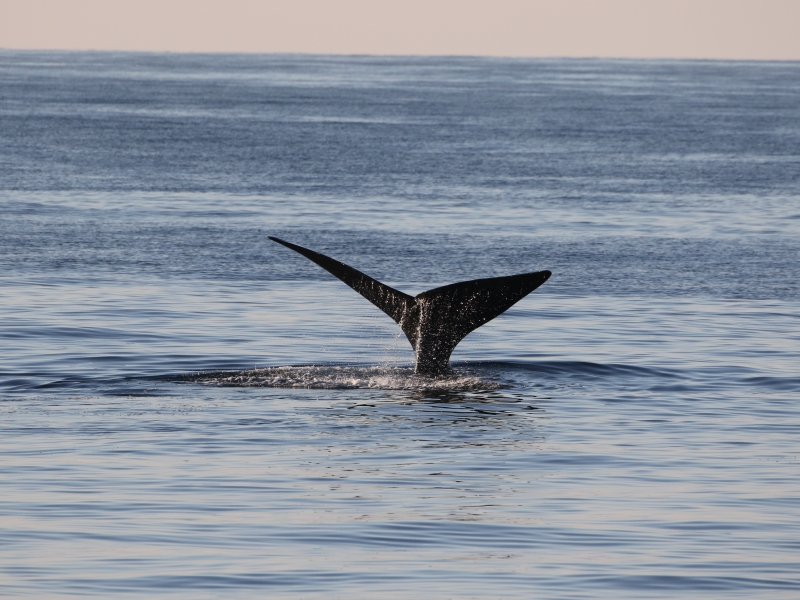
Fantastic video of an encounter with North Atlantic right whales off the coast of Virginia Beach
January 27, 2021
Footage of three right whales off Virginia.
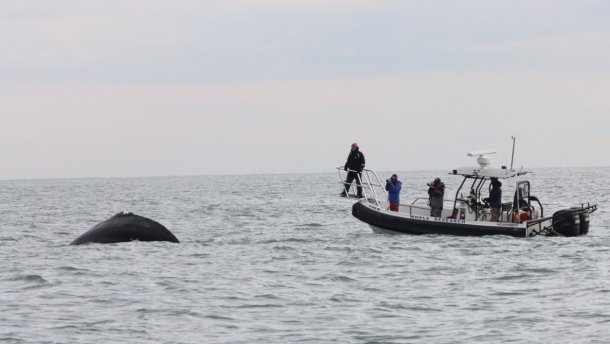
Entangled humpback whale
January 8, 2021
Our team assisted with the disentanglement efforts of a young humpback whale.
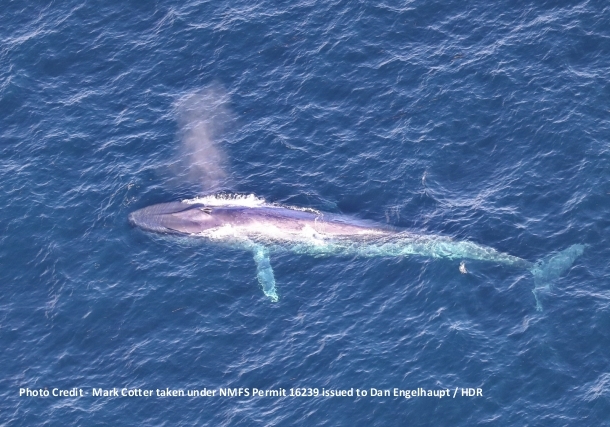
Fin and blue whale feeding aggregation observed in Norfolk Canyon study area
March 26, 2019
Baleen whale feeding assemblage offshore of Virginia.
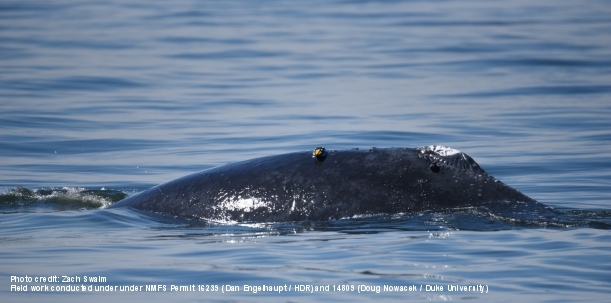
One whale tagged twice.
March 8, 2019
D-tag and limpet tag on a humpback whale.
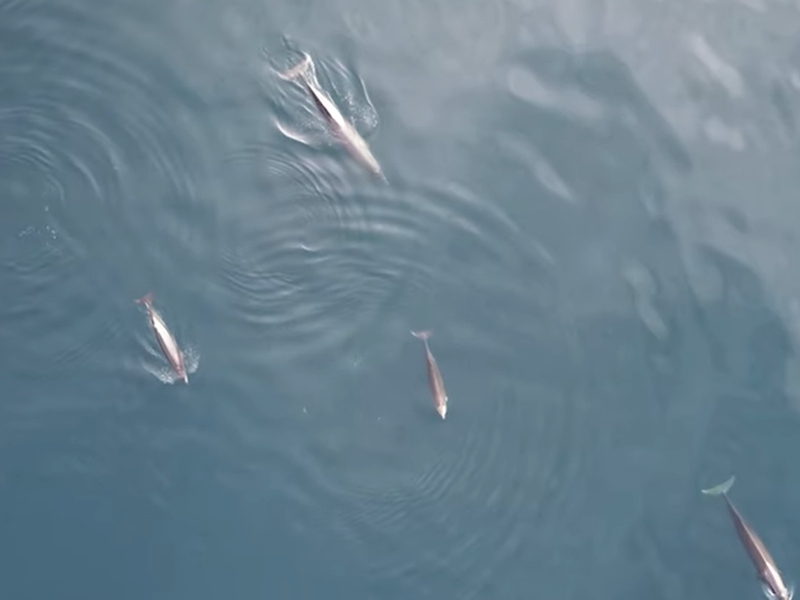
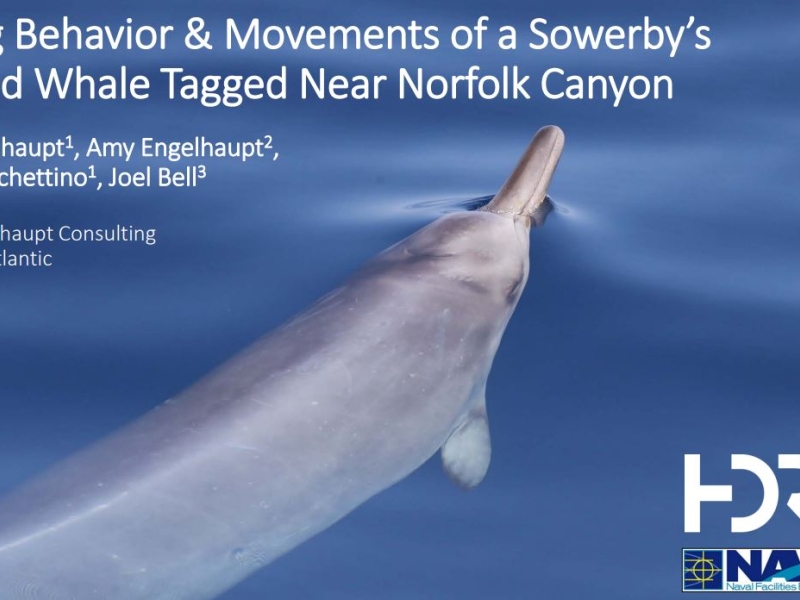
Sowerby's beaked whales encountered at Norfolk Canyon
January 7, 2019
Excellent drone footage of a group of rarely seen beaked whales.
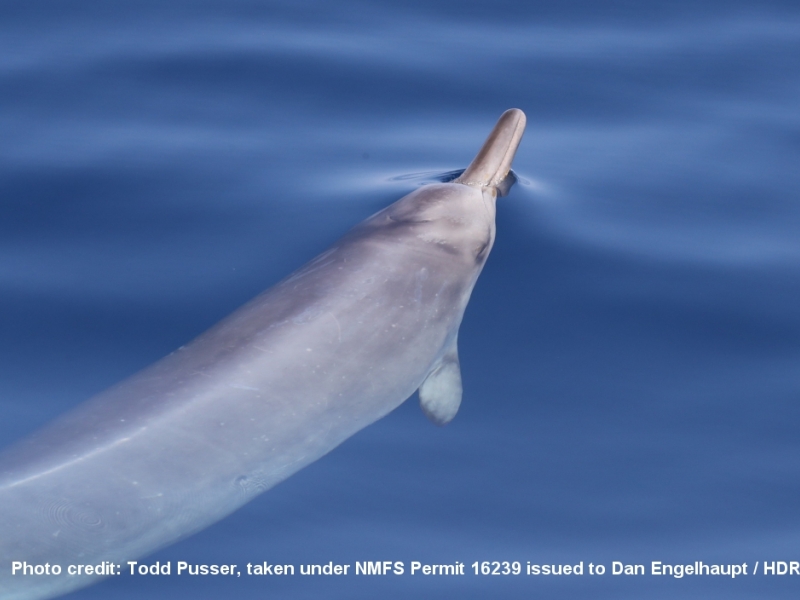
Sowerby's beaked whale tagged offshore of Virginia
September 12, 2018
A rarely seen beaked whale was tracked offshore.
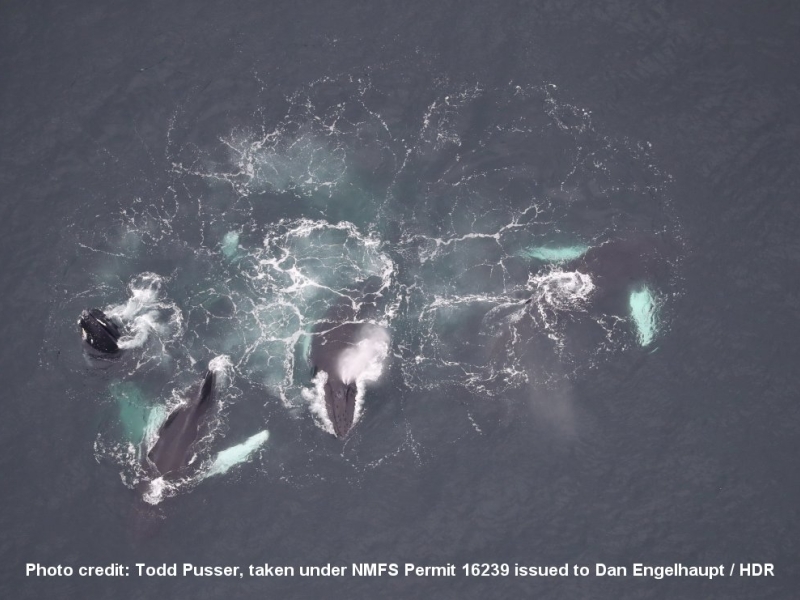
Blue whales and sei whales and right whales - OH MY!!!
April 18, 2018
A spring aggregation of endangered whales offshore.
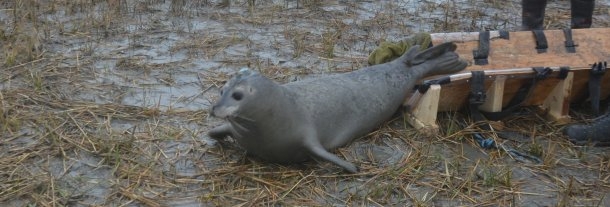
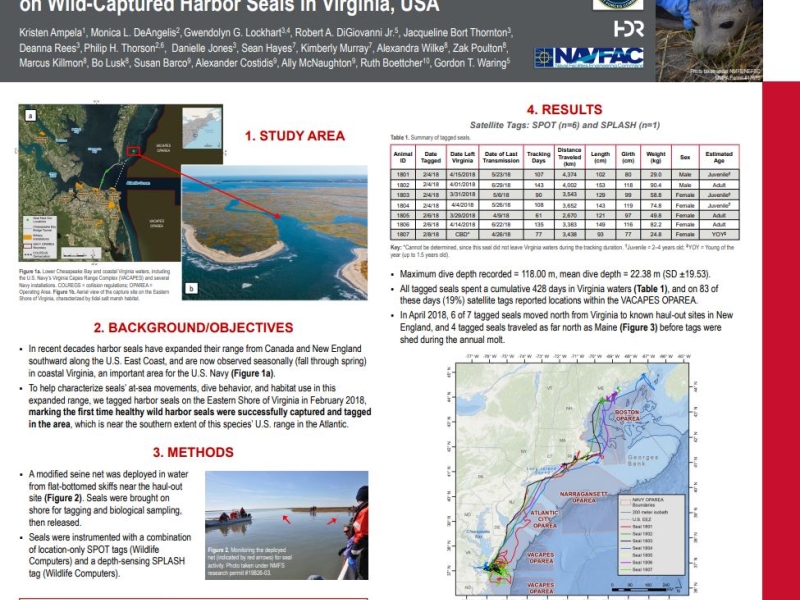
Seal Tagging Team Win!
February 6, 2018
Successful seal tag deployment on the Eastern Shore of VA.
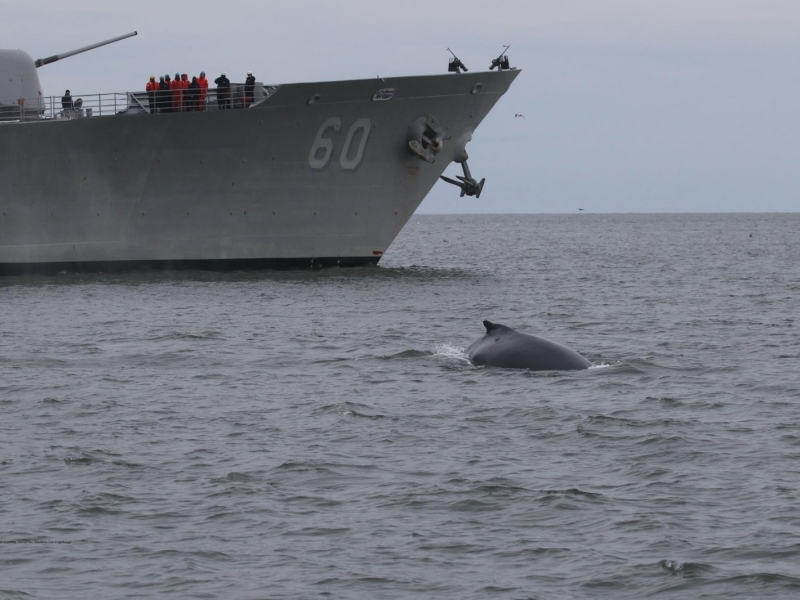
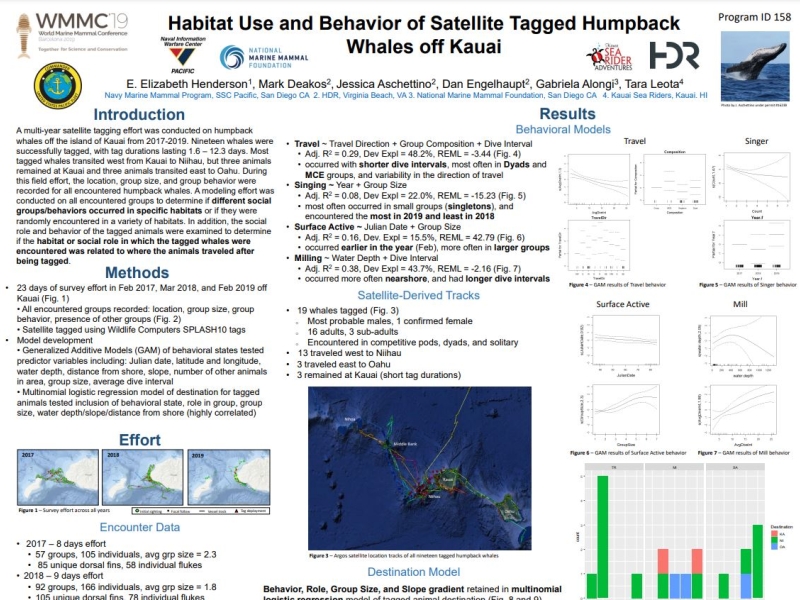
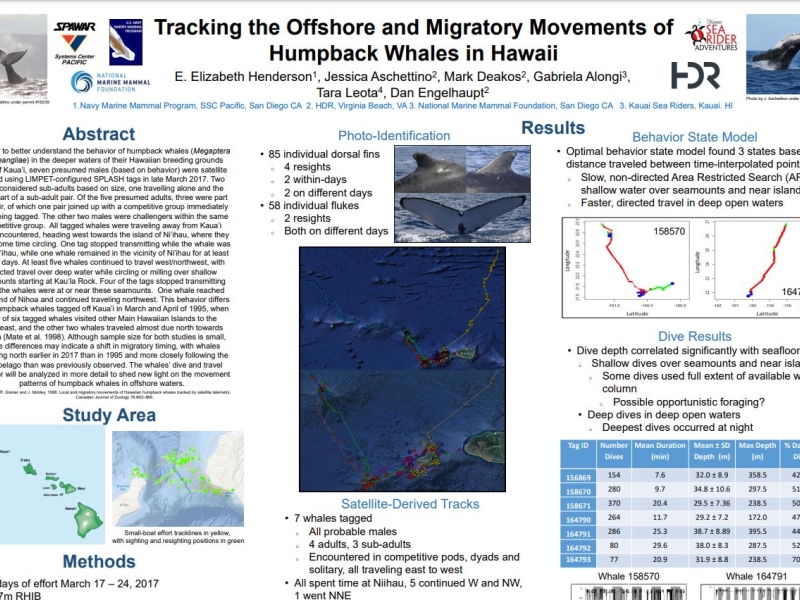
Repeat tagging customers to humpback monitoring project
January 30, 2018
Some interesting notes on site fidelity in Humpack whales.
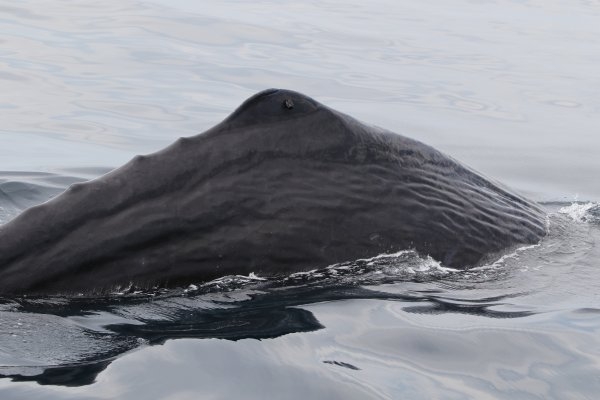
Sperm whales tagged off Virginia Beach
August 25, 2017
Several groups of sperm whales were sighted offshore of VA.
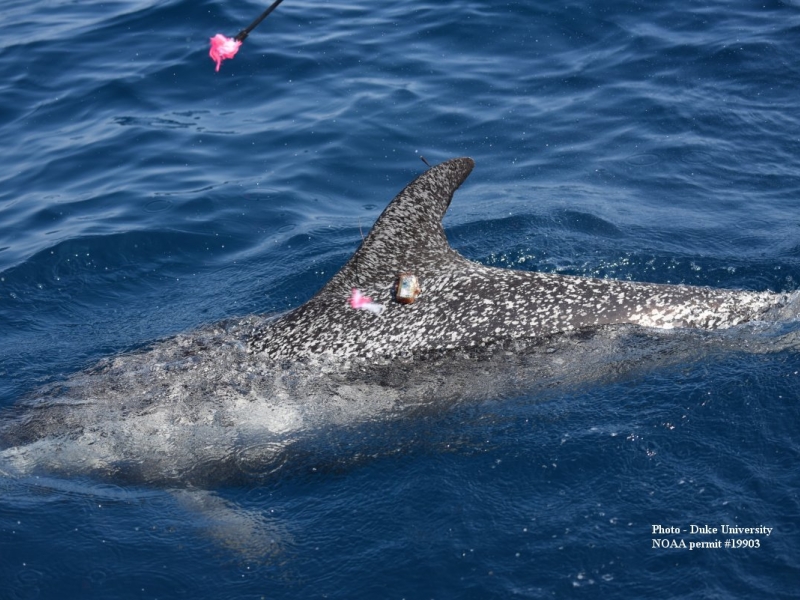
Bonus tagging in JAX
June 15, 2016
Odontocete tagging in Florida.
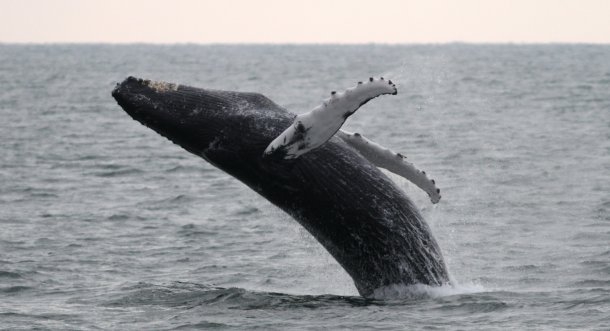
Tagging Atlantic Humpbacks
January 8, 2016
Year two of our Chesapeake Bay humpback whale project has begun!
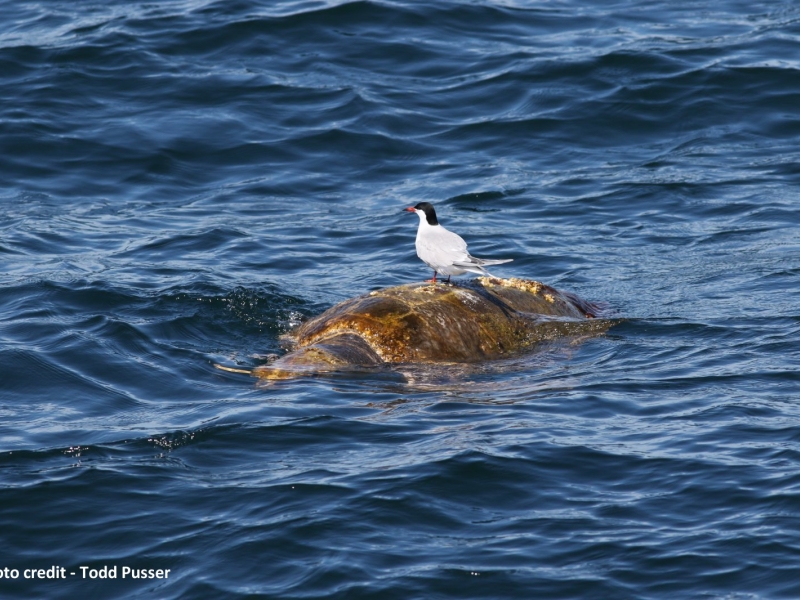
Great Day for a Mid-Atlantic Offshore Survey
April 20, 2015
Pelagic cetaceans and sea turtle sightings.
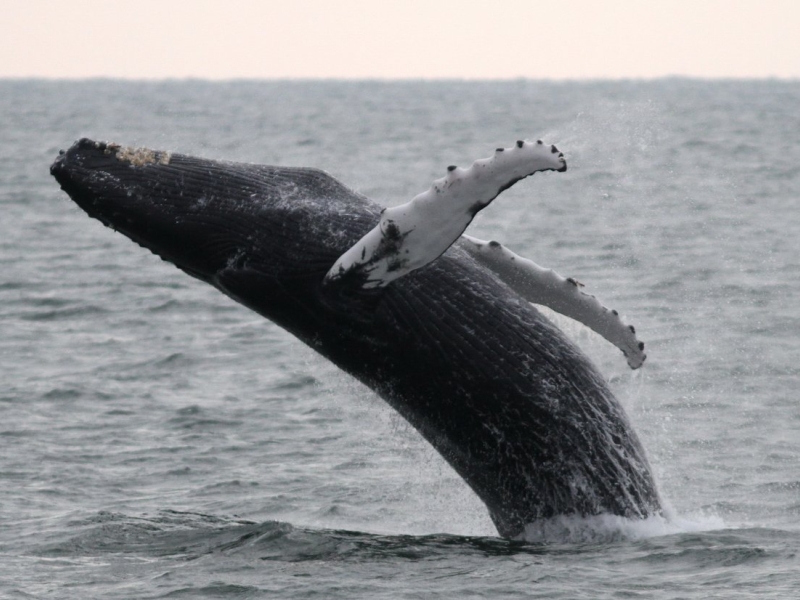
Humpbacks Have Arrived!
December 30, 2014
It's winter in Virginia and that means whales!
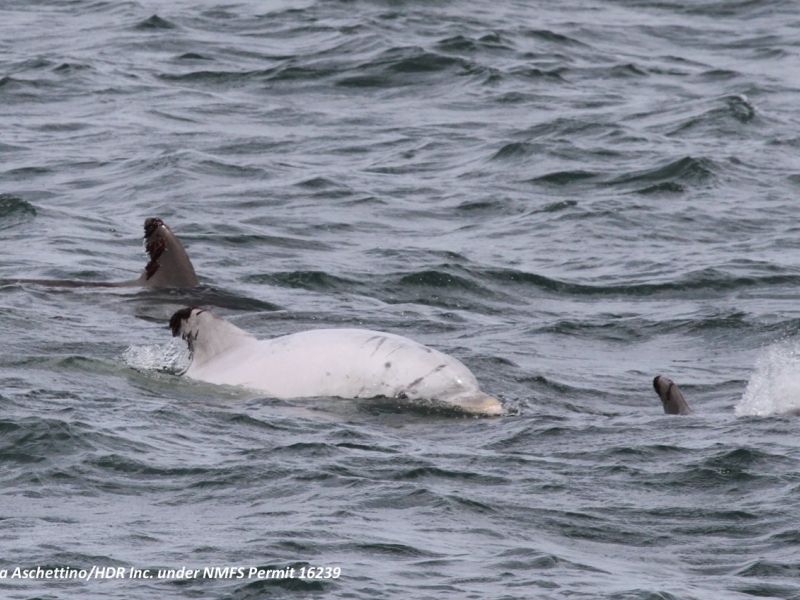
White “Leucistic” Bottlenose Dolphin Seen on Marine Mammal Survey
October 30, 2014
Leucism, like albinism, is a genetic condition that results in a lack of pigmentation in the skin.
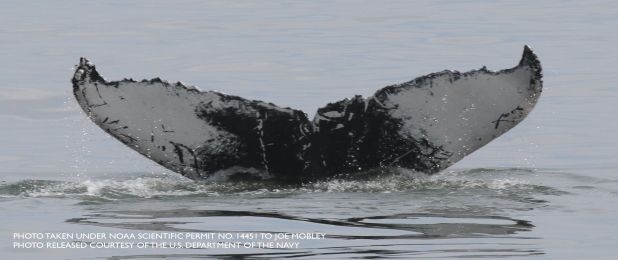
Spinnaker sighted off Virginia Beach
September 25, 2013
A well known whale makes a visit.
Complete
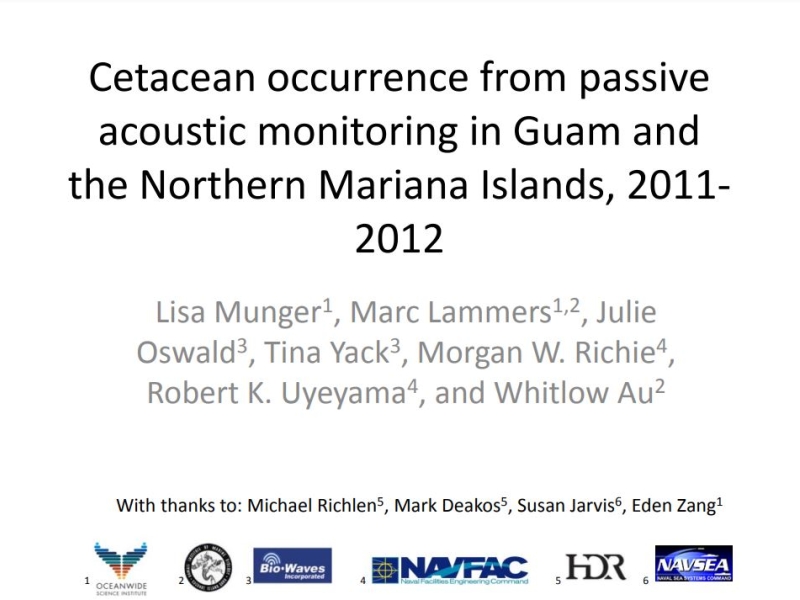
Guam Shore Based Visual Surveys
Project Objectives
Shore-based marine mammal surveys
Complete
Behavioral Response Research Evaluation Workshop II (BRREW II)
Project Objectives
Response
Current
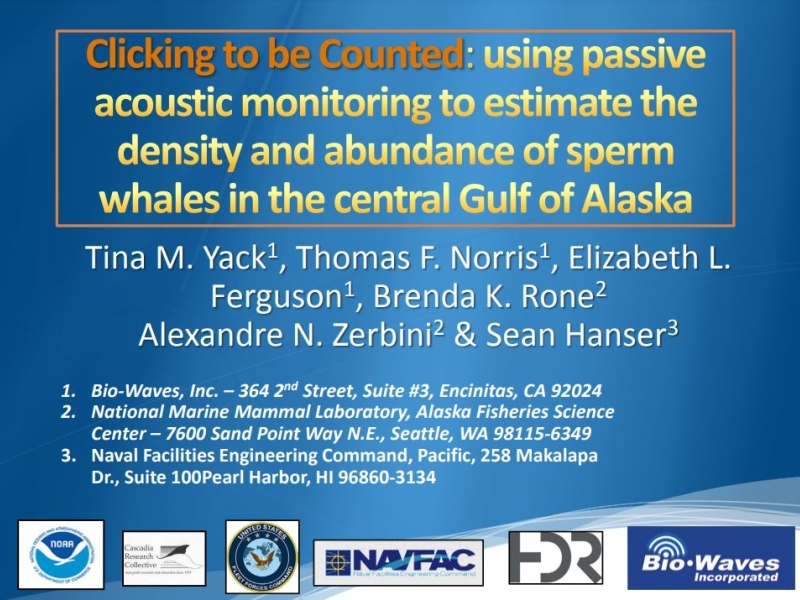
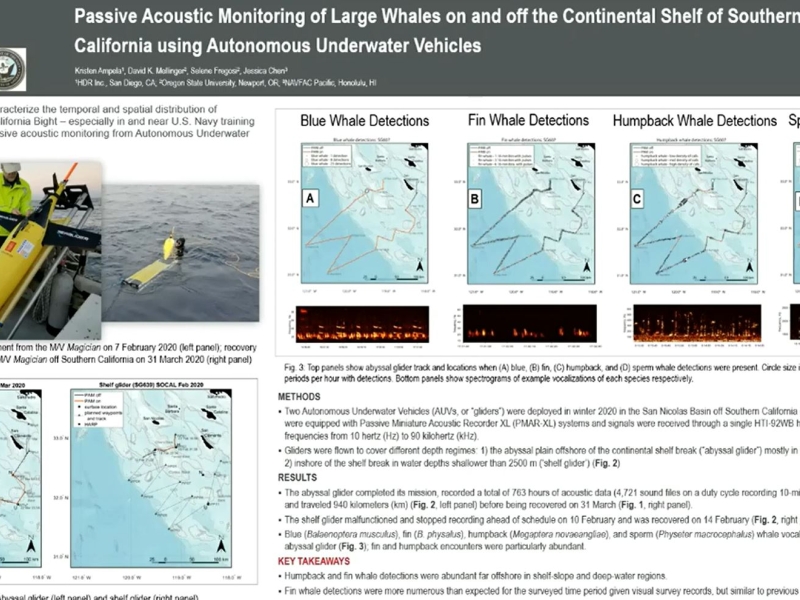
Passive Acoustic Monitoring for Mid-Atlantic Baleen Whales
Project Objectives
Monitor large whale occurrence in the Mid-Atlantic
Complete
Mariana Islands Sea Turtle and Cetacean Survey (MISTICS)
Project Objectives
Determine what species of marine mammals and sea turtles are present and estimate abundance.
Complete
Passive Acoustic Monitoring of Marine Mammals Using Gliders in Marianas
Project Objectives
Identify acoustically distinct species of beaked whales, odontocetes, and baleen whales that occur in the Mariana Islands; develop a better understanding of marine mammal distribution, habitat use, and abundance
Complete
Pilot survey for humpback whales at Farallon de Medinilla
Project Objectives
The goal of the visual surveys is to collect individually-identifying information from humpback whales present near and around Farallon de Medinilla (FDM)
Complete
Aerial Surveys of Marine Mammals Conducted in the Inland Puget Sound Waters of Washington, summer 2013 – winter 2016
Project Objectives
1) Conduct aerial surveys during four seasonal periods within the inland Puget Sound Survey Area to assess potential differences in seasonal distribution, numbers, and behavioral state patterns of marine mammals; 2) Collect data to estimate densities of marine mammals in the inland Puget Sound waters for species with sufficient sightings; 3) Estimate abundance for each marine mammal species seen an adequate number of times; 4) Document the distribution and habitat use of each species observed; 5) Document and describe behaviors seen without performing focal follows.
Current
Estimation of Received Levels of MFAS and Behavioral Response of Marine Mammals at PMRF
Project Objectives
Further our understanding of the Monitoring Questions: 1) What is the occurrence and estimated received levels of MFAS on 'blackfish', humpback, minke, sperm and Blainville's beaked whales within the PMRF instrumented range? and 2) What, if any, are the short term behavioral responses of 'blackfish,' humpback, minke, sperm and Blainville's beaked whales when exposed to MFAS/explosions at different levels/conditions at PMRF?
Current
Southern California Beaked Whale Occurrence (formerly "Passive Acoustic Monitoring of Marine Mammals in Southern California Range Complex (SOCAL)")
Project Objectives
Determine the distribution and temporal patterns of beaked whale occurrence in the waters within and outside the Southern California Range Complex (SOCAL). Use passive acoustic monitoring to determine what species are present in SOCAL and examine spatial and temporal patterns.
Complete
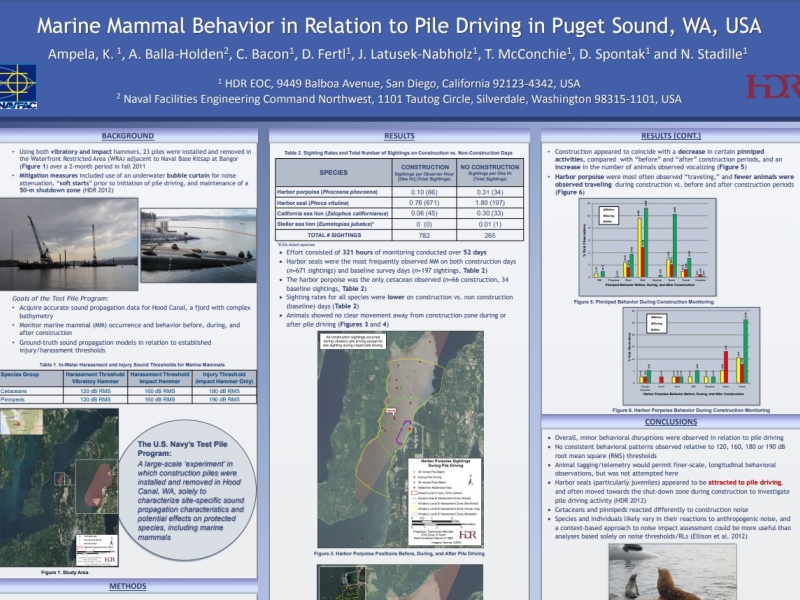
Sound source measurements from pile driving
Project Objectives
Determine the source levels produced by impact and vibratory driving of different size and material piles during construction projects
Complete
NAS Patuxent River Marine Species Surveys
Project Objectives
Assess occurrence, seasonality, and abundance of Tursiops in the waters near NAS PAX River
Complete
Baseline Monitoring for Marine Mammals in the East Coast Range Complexes (aerial surveys)
Project Objectives
Assess occurrence, habitat associations, and density of marine mammals and sea turtles in key areas of Navy range complexes
Complete
Occurrence, Distribution, and Density of Marine Mammals Near Naval Station Norfolk and Virginia Beach
Project Objectives
Assess occurrence, seasonality, and abundance of Tursiops in the coastal waters of Hampton Roads military installations
Complete
Mid-Atlantic Humpback Whale Monitoring
Project Objectives
Assess occurrence, habitat use, and baseline behavior of humpback whales in the mid-Atlantic region
Complete
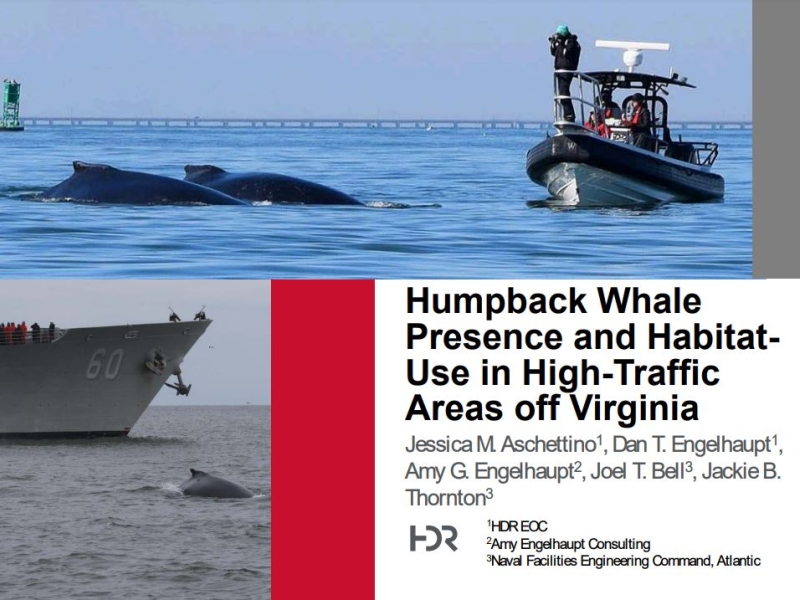
Behavioral Response of Humpback Whales to Vessel Traffic
Project Objectives
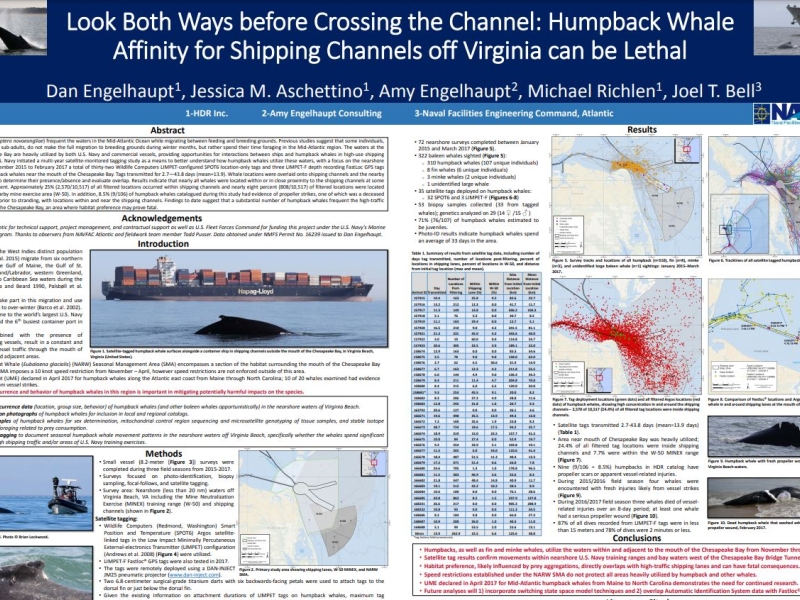
Understand the behavioral response of humpback whales to approaching vessels in the shipping channels at the mouth of the Chesapeake Bay.
Complete
Effectiveness of Navy Lookout Teams in Detecting Cetaceans
Project Objectives
Obtain data to characterize the potential exposure of marine mammals and ESA-listed marine species to Navy training and testing activities, evaluate the effectiveness of mitigation measures
Current
Jacksonville Shallow Water Training Range Vessel Surveys and M3R Species Verifications
Project Objectives
Monitor species composition and distribution on JSWTR, support M3R species verifications
Current
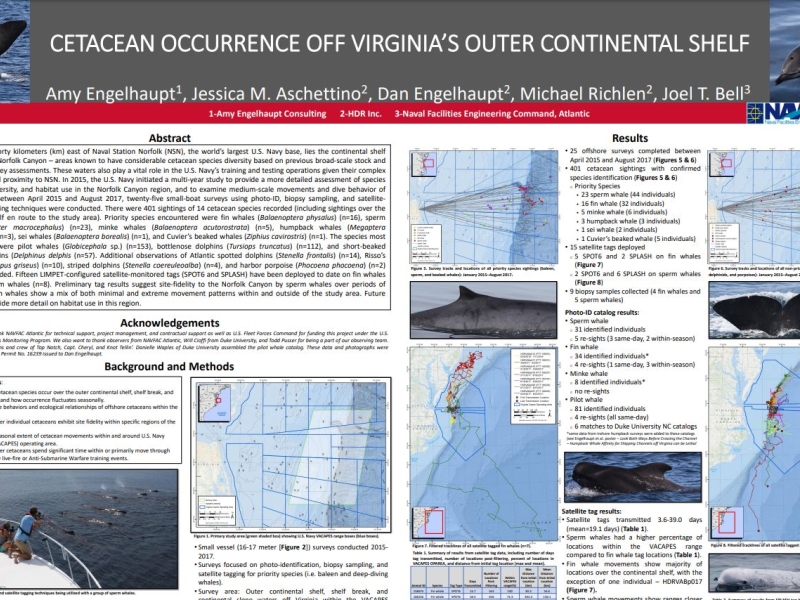
Mid-Atlantic Offshore Cetacean Study
Project Objectives
Assess occurrence, habitat use, and baseline behavior of cetaceans in the offshore and continental shelf break region of the VACAPES OPAREA
Current
North Atlantic Right Whale Monitoring, Conservation, and Protection
Project Objectives
Assess occurrence, habitat use, and behavior of North Atlantic right whales in the mid-Atlantic region
Current
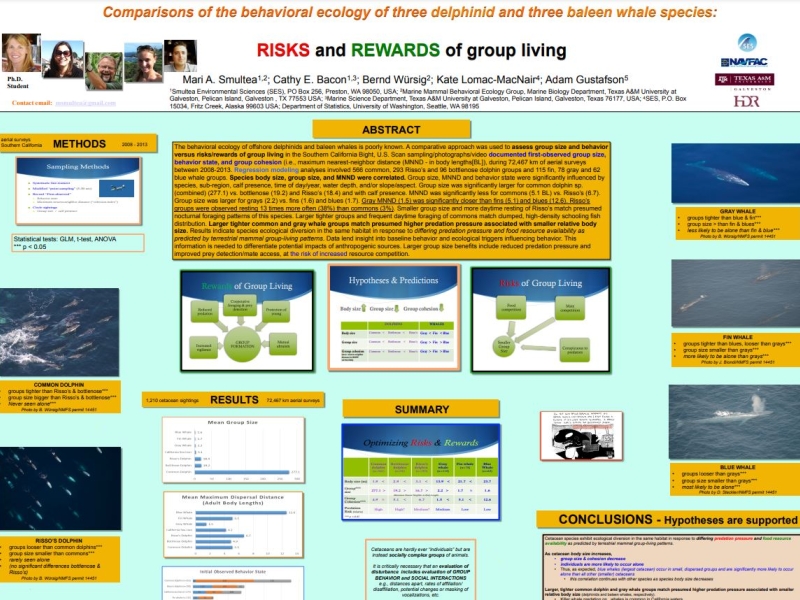
Mid-Atlantic Nearshore & Mid-shelf Baleen Whale Monitoring
Project Objectives
Assess occurrence, habitat use, and baseline behavior of baleen whales in the mid-Atlantic region
Current
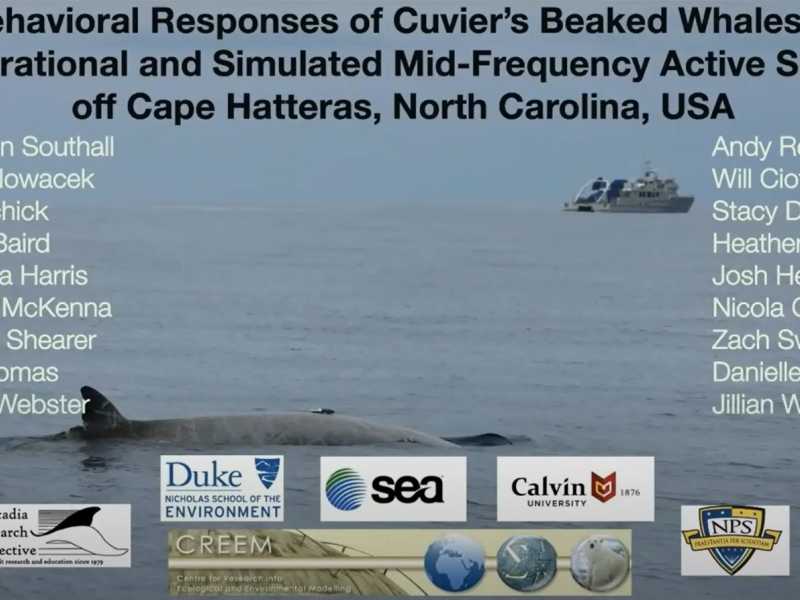
Atlantic Behavioral Response Study
Project Objectives
Assess behavioral response of beaked and pilot whales to mid-frequency tactical sonar
Current
Haul-Out Counts and Photo-Identification of Pinnipeds in Virginia
Project Objectives
Document seasonal occurrence, habitat use, and haul-out patterns of seals
Complete
Pinniped Tagging and Tracking in Southeast Virginia
Project Objectives
Document habitat use, movement and haul-out patterns of seals in the Hampton Roads region of Chesapeake Bay and coastal Atlantic Ocean
More details
Collapse details
Date Published:
Filesize:
- August 1, 2016
The ultimate goal of this study is to provide the United States (U.S.) Navy with the necessary data to help identify seasonal areas where cheloniid sea turtles are likely to occur in order to inform U.S. Navy environmental planning efforts. This project focuses on the three cheloniid sea turtle species commonly seen in Virginia.
- 4,712.58 KB
More details
Collapse details
Date Published:
Filesize:
- April 1, 2018
Five species of sea turtles occur in Chesapeake Bay and the coastal waters of Virginia with varying regularity. They include the loggerhead turtle (Caretta caretta), Kemp’s ridley turtle (Lepidochelys kempii), green turtle (Chelonia mydas), leatherback turtle (Dermochelys coriacea), and hawksbill turtle (Eretmochelys imbricata) (Musick and Limpus 1997). Loggerhead and Kemp’s ridley turtles are the most abundant and regularly occurring species, and green turtle numbers have increased over the past two decades in Virginia (Barco et al. 2015, Swingle et al. 2014, 2015, 2016).
- 1,259.42 KB
More details
Collapse details
Date Published:
Filesize:
- April 1, 2014
The goal of the project is to assess the occurrence, habitat use, and behavior of loggerhead, green, and Kemp's ridley turtles in the Hampton Roads region to better assess the impacts that U.S. Navy activities may have on these protected species.
- 1,337.08 KB
More details
Collapse details
Date Published:
Filesize:
- February 28, 2015
The ultimate goal of this study is to provide the US NAVY with the necessary data to help identify seasonal areas where cheloniid sea turtles are likely to occur in order to inform DOD sea turtle protection efforts. This project focuses on the three cheloniid sea turtle species commonly seen in Virginia, which are the loggerhead sea turtle, Kemp’s ridley sea turtle, and green sea turtle (Hager 2014).
- 6,910.62 KB
More details
Collapse details
Date Published:
Filesize:
- March 1, 2019
Kemp’s Ridley Tagging and Tracking in Chesapeake Bay and Costal Waters of Virginia: Final Report
- 285.40 KB
More details
Collapse details
Date Published:
Filesize:
- June 1, 2017
The goal of this report is to provide the United States (U.S.) Department of the Navy (Navy) with the necessary data to help identify seasonal areas where Kemp’s ridley and green turtles are likely to occur in order to inform Navy environmental planning efforts.
- 1,296.69 KB
Acoustic telemetry with sea turtles in Virginia.
GARSCON 2015 (Greater Atlantic Region Stranding Conference 2015). .
More details
Collapse details
Date Published:
Filesize:
- October 1, 2015
The Virginia Aquarium Foundation (VAQF) and the U.S. Navy have been working together since 2013 to determine the efficacy of using acoustic telemetry for investigating the fine scale movements of sea turtles in the vicinity of Navy facilities in southeastern Virginia. To date, we have deployed 56 acoustic tags (VEMCO V16, V13 and V9 69 kilohertz tags), 14 from Jul-Nov of 2013, 24 in 2014 and 18 May-Jul of 2015. The U.S. Navy maintains an array of 71 acoustic receivers (VEMCO VR2W) in southeastern Virginia and downloads and processes data every other month. There is a four to six month delay from the time of detection to VAQF receiving processed tag detection data. For this reason, we will discuss results for turtles tagged in 2013 and 2014. Of the 38 turtles tagged in 2013-14, five were wild caught (incidentally or directly captured) and 33 were stranded, rehabilitated and released. Of the stranded turtles, 14 were caught on recreational hook and line, 13 were cold-stunned and the rest were boat strikes (n=3), diseased (n=2) or entangled in other gear (n=1). In total we deployed tags on 18 loggerheads, 15 Kemp’s ridleys (one was released twice) and 4 green turtles. Of these 15 (83%) of the loggerheads were detected, 11 (73%) of the Kemp’s ridleys were detected and 3 (75%) of the greens were detected. Seven of the turtles stranded dead since release (3 wild and 4 stranded) and of these one was never detected. Seven turtles were released after mid-Oct south of the Navy receiver array and, of these, four were never detected. For loggerheads, Kemp’s and greens that were detected, mean number of detections were 220, 57, and 187, number of different days detected were 6, 3, and 10, and days post-release were 97, 21, and 53 respectively.
- 9,579.31 KB
More details
Collapse details
Date Published:
Filesize:
- November 1, 2019
This project is intended to provide baseline information on the species composition, density, distribution, and basic behavior of marine mammals and sea turtles present within the United States (U.S.) Navy’s Virginia Capes (VACAPES) Operating Area (OPAREA). This study is part of a larger, multi-institutional, marine mammal and sea turtle monitoring program of U.S. Navy range complexes along the U.S. Atlantic Coast and Gulf of Mexico supporting Atlantic Fleet Training and Testing (AFTT)
- 4,083.79 KB
More details
Collapse details
Date Published:
Filesize:
- February 10, 2022
Understanding the spatial distribution of a species is required to enact effective conservation. Complications to effective conservation can arise when the distributions of multiple target species are non-overlapping. Conservation efforts meant to protect one species may shift threats into the distribution of another species. Two species of marine turtle, loggerhead Caretta caretta and Kemp’s ridley Lepidochelys kempii, are common seasonally in Chesapeake Bay, a large estuary on the US east coast. Both species are protected under the US Endangered Species Act and face spatially complex threats in the region. We created habitat suitability models for these 2 species to inform conservation efforts in the region and explore the extent of overlap be - tween their distributions. Argos satellite tags were deployed on 24 Kemp’s ridley and 10 loggerhead turtles to record animal locations within the Bay. Boosted regression tree models were created for each species using presence-only animal locations, predicting suitable habitat within the Bay. Habitat for Kemp’s ridley turtles was predicted in shallow, coastal areas of the southern Bay as well as in brackish areas of rivers. Loggerhead turtle habitat was predicted to extend farther north than Kemp’s ridley habitat and was generally found in deeper areas of the middle Bay. There is some evidence that these 2 species are partitioning habitat. Any conservation measures adopted to conserve marine turtles in the Chesapeake Bay should consider the habitat of both species holistically to avoid shifting impacts from one species to another.
- 733.34 KB
More details
Collapse details
Date Published:
Filesize:
- August 1, 2020
To better understand the spatial distribution of habitat usage in the Bay by these species, the Navy funded home range analyses of both species based on extant satellite-tagging data for tags deployed from 2014 to 2018.
- 6,723.94 KB
More details
Collapse details
Date Published:
Filesize:
- February 1, 2025
The study team proposed deploying up to 50 Wildlife Computers satellite-linked telemetry tags per year for 3 years, split evenly between Kemp’s ridley and green sea turtles (or as encounters allow), at several sites along the East Coast ranging from Florida (FL) to Massachusetts (MA). In partnership with several rehabilitation and research groups, the study team aims to collect and record sea turtle behavioral data in multiple representative environments and times of year
- 4,815.55 KB
More details
Collapse details
Date Published:
Filesize:
- July 8, 2026
Building on Year 1 deployments, Year 2 moved the study toward providing robust, defensible availability bias models for green and Kemp’s ridley sea turtles on the East Coast. The current study results should be interpreted with caution, given the relatively small number of deployments to date, particularly for Kemp’s ridley turtles (n=10 deployments), which limits the available information both spatially and temporally. Collecting 18 months of data and expanding the analysis, compared to 6 months when the 2024 annual report (DiMatteo and Mansfield 2025) was written, reinforced several findings. Availability bias generally increased as the depth threshold at which animals were assumed to be able to be seen increased. This is to be expected as more of the water column is considered to be visible. The availability bias estimates from the 2-m depth histograms and dive behavior were similar.
- 13,940.82 KB
Habitat models and assessment of habitat partitioning for Kemp's ridley and loggerhead marine turtles foraging in Chesapeake Bay (USA).
Endangered Species Research. 2022.
47:91-107
More details
Collapse details
Date Published:
Publication:Ocean:Region:Species:Methods:
- February 10, 2022
Understanding the spatial distribution of a species is required to enact effective conservation. Complications to effective conservation can arise when the distributions of multiple target species are non-overlapping. Conservation efforts meant to protect one species may shift threats into the distribution of another species. Two species of marine turtle, loggerhead Caretta caretta and Kemp’s ridley Lepidochelys kempii, are common seasonally in Chesapeake Bay, a large estuary on the US east coast. Both species are protected under the US Endangered Species Act and face spatially complex threats in the region. We created habitat suitability models for these 2 species to inform conservation efforts in the region and explore the extent of overlap between their distributions. Argos satellite tags were deployed on 24 Kemp’s ridley and 10 loggerhead turtles to record animal locations within the Bay. Boosted regression tree models were created for each species using presence-only animal locations, predicting suitable habitat within the Bay. Habitat for Kemp’s ridley turtles was predicted in shallow, coastal areas of the southern Bay as well as in brackish areas of rivers. Loggerhead turtle habitat was predicted to extend farther north than Kemp’s ridley habitat and was generally found in deeper areas of the middle Bay. There is some evidence that these 2 species are partitioning habitat. Any conservation measures adopted to conserve marine turtles in the Chesapeake Bay should consider the habitat of both species holistically to avoid shifting impacts from one species to another.
Normalizing home ranges of immature Kemp's ridley turtles (Lepidochelys kempii) in an important estuarine foraging area to better assess their spatial distribution.
2021.
17(1): 57-71
More details
Collapse details
Date Published:
Ocean:Region:Species:Methods:
- January 1, 2021
Kemp's ridley turtles (Lepidochelys kempii) are critically endangered sea turtles that forage seasonally in Chesapeake Bay, a large estuary on the east coast of the United States. Most of the Kemp's ridley turtles foraging in the bay are immature. When tracking these animals, satellite transmitter retention times have been low compared with adult marine turtles of other species. The immature Kemp's ridleys' small size and rapid growth leads to shorter, more variable deployments, limiting the use of data. These limited data leave critical questions remaining about the animals' habitat usage that are difficult to answer without substantially more deployments. A novel sensitivity analysis using simulated deployments indicated that too few animals were tagged with satellite transmitters to identify all possible home-range areas in the Bay.
Sea turtle density surface models along the United States Atlantic coast.
Endangered Species Research. 2024.
53:227–245
More details
Collapse details
Date Published:
Publication:Ocean:Region:Species:Methods:
- February 29, 2024
Spatially explicit estimates of marine species distribution and abundance are required to quantify potential impacts from human activities such as military training and testing, fisheries interactions, and offshore energy development. There are 4 protected species of sea turtle (loggerhead, green, Kemp’s ridley, and leatherback) commonly found along the east coast of the USA, our study area, and which require impact assessments.
More details
Collapse details
Date Published:
Filesize:
- October 1, 2016
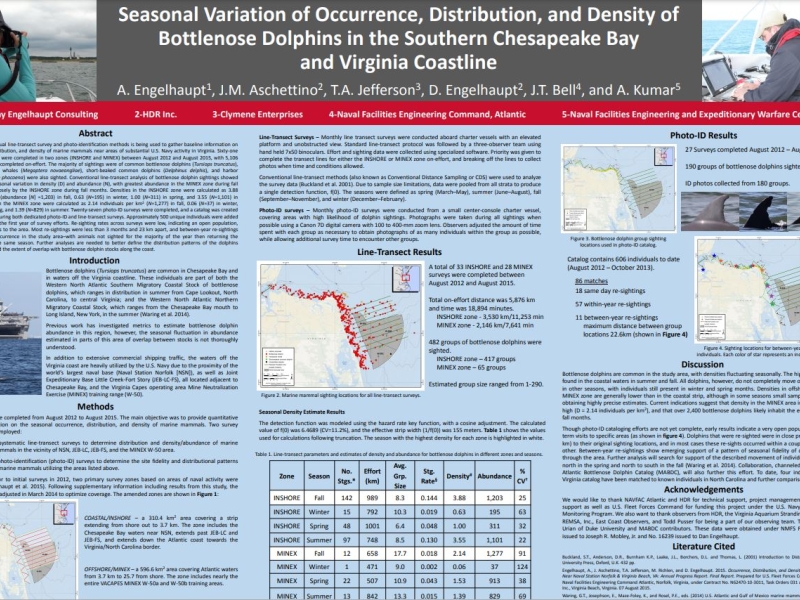
A combination of visual line-transect survey, photo-identification (photo-ID), and automated acoustic monitoring methods was used to gather important baseline information on the occurrence, distribution, and density of marine mammals near Naval Station Norfolk (NSN) and adjacent areas. The study area was designed to cover areas where United States Navy activity is substantial, including Chesapeake Bay waters near NSN and Joint Expeditionary Base Little Creek-Fort Story, as well as a Mine Exercise (MINEX) Area (W-50) in the Atlantic Ocean off the coast of Virginia Beach, Virginia
- 14,259.08 KB
Mid-Atlantic aerial surveys for marine mammals, sea turtles and other large marine vertebrates 1998-2012.
Mid-Atlantic Wildlife Surveys, Modeling, and Data Workshop (DOE Wind and Water Power Program Workshop) .
More details
Collapse details
Date Published:
- July 25, 2012
- 2,839.72 KB
More details
Collapse details
Date Published:
Filesize:
- March 22, 2022
The United States (US) Navy uses lookouts (LOs) to detect objects in the water in the vicinity of ships. One class of object that LOs are trained to detect is marine mammals ; this forms an important component of the Navy’s procedures for marine mammal mitigation during training activities . As well as dedications of marine mammals by these LOs, detections of marine mammals may also be made by other members of the ship’s crew such as officers on the bridge (“watchstanders”) or sonar technicians, although acoustic detections require visual confirmation. We refer to these personnel together as the “lookout team” (LT). The primary goal of this project was to determine how effective LTs are at detecting marin
- 4,078.84 KB
- California sea lion
- Green turtle
- Leatherback turtle
- Loggerhead turtle
- Kemp's Ridley turtle
- Blue whale
- Fin whale
- Humpback whale
- Minke whale
- Atlantic white-sided dolphin
- Common dolphin
- Harbor porpoise
- Killer whale
- Pantropical spotted dolphin
- Pilot whale
- Risso's dolphin
- Rough-toothed dolphin
- Short-finned pilot whale
- Sperm whale
- Spotted dolphin
- Striped dolphin